
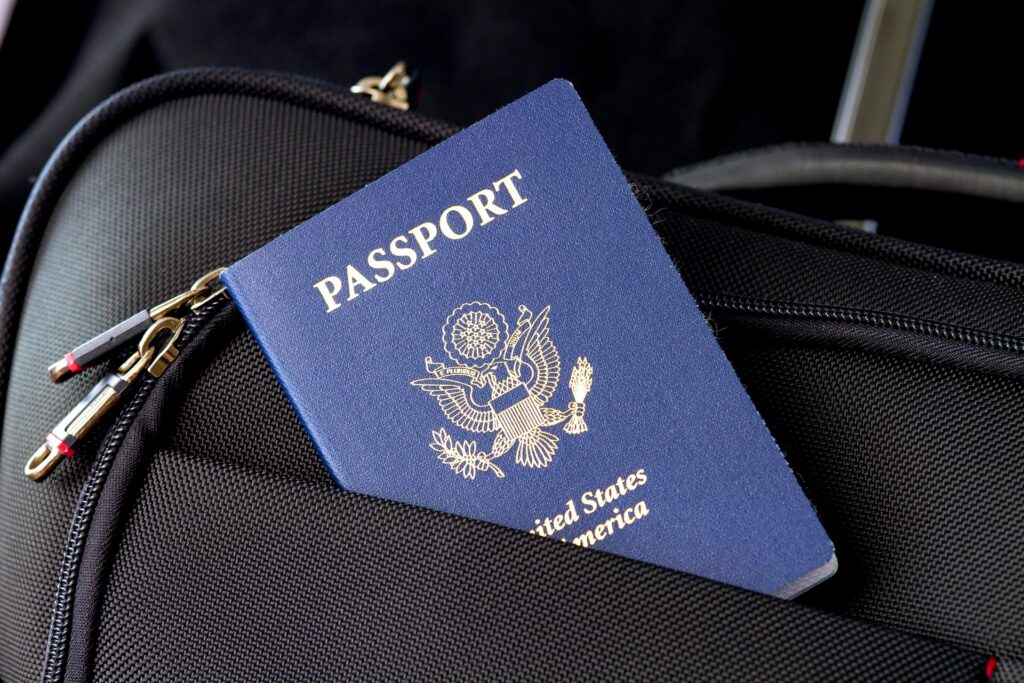
The United States has always been a popular destination for international students. Yet, with annual updates come developments that can affect eligibility, application processes and approval rates. New guidelines were rolled out on visa issuance in 2026, which placed pressure on students to reconfigure how they approach their education in the U.S. These changes became an important challenge for applicants, schools, and advisors. In this article, we describe those changes, compare them to previous year, and explain their implications for applicants.
Major 2026 Updates
Visa Issuance Suspended:
As of Jan. 1, 2026, under the Presidential Proclamation 10998, nationals of 39 countries, along with anyone who holds a document from the Palestinian Authority, are prohibited from receiving any kind of U.S. visa – including student visas.
Few Exceptions:
Diplomat status, persecuted minorities in Iran, dual nationals’ non-suspended passports, Special Immigrant Visa holders, and athletes participating in a major event, and lawful permanent residents are a few categories that are eligible for a U.S. visa.
More Rigorous Consular Review:
The process will be lengthy. Applicants will be subject to a detailed review process that includes financial documentation, evidence of strong ties to their home country, and background security checks.
Proof of Funds Requirements:
Students are required to show higher proof of funds to meet the tuition fees and living expenses without being dependent on an unauthorized source.
Academic Intent Verification:
Consulate officers need detailed admission letters and evidence of program accreditation.
Cap-Gap Extension:
A continued protection through April 1, 2026, that permits students with pending or approved H-1B petitions to be legally present in the U.S. while waiting for activation of their work visas.
OPT under Scrutiny:
Optional Practical Training will continue, but there will be stricter employer checks to ensure immigration rules are followed.
Changes Compared to Previous Year
U.S. student visa rules in 2026 are way stricter than those of 2025. In 2025, applicants only needed to submit financial documents and proof of non-immigrant intent, as well as undergo standard SEVIS processing. With the Presidential Proclamation 10998, it implemented blanket suspensions without any case-by-case review. There were also substantial developments, such as extending the protection to student waiting for their H-1B to activate. At the same time, review of the OPT program was tightened with new employer verification requirements mandating E-Verify compliance and documenting training plans. The financial thresholds were raised, and the conditions requiring students to study in person rather than online were reduced. Overall, 2026 is stricter compared to 2025.
Who is Most Affected
Students from countries identified in Presidential Proclamation 10998 are among the most heavily affected. For nationals of the 39 suspended countries, securing F-1 visas has become nearly impossible. Unless they hold rare exceptions such as diplomatic status or special immigrant categories, studying in the U.S. is no longer an option for most.
Dual nationality holders do have a good chance ahead of them if they apply with the passport of a country that is not suspended. Documentation and proof of nationality are still crucial at this point to prevent denial. The cap-gap extension continues to be a lifeline for students who are already in the U.S. and on F-1 status, as this means that they will be able to stay until their H-1B is active. However, this protection is dependent on a timely filing of petitions, so the importance of early preparations cannot be overstated.
Institutions themselves are affected as well, with universities having to adjust to functional updates to the SEVIS system, they will also expect lower enrollment from affected regions and comply with new SEVP guidance that requires more detailed reporting. Meanwhile, new students from countries not on the suspend list still face added hurdles as they have to submit more stricter financial documentation requirements and tighter proof of academic intent.
Finally, OPT participants face increasing restrictions through stricter employer verification rules, which reduce opportunities with smaller and informal employers. This will result in graduates seeking employment with larger organizations that are able to satisfy the E-Verify and training plan requirements.
What Applicants Should Do Now
- Check your national status: Determine if your nation is one of the 39 suspended countries that is mentioned in the new Proclamation. If yes, look for possible exceptions such as dual nationality or humanitarian grounds.
- Improved documentation: Assuming you are from a non-suspended country, provide strong financial evidence, proof of ties back home ,and official admission letters, if any, to prove academic intent.
- Stay connected with your institution: It’s important to stay updated on changes related to the U.S. Visa framework. Follow up closely with your international office to ensure reporting adjustments are met.
- Plan now for transitions: Individuals intending to transition from F-1 to H-1B status should file petitions early in order to take advantage of the cap-gap protections and also start communicating OPTs with prospective employers who satisfy verification requirements.
- Trust official sources: regular updates, rules, and clarifications are issued by the U.S. Department of State, USCIS, ICE, and SEVP about the U.S. Visa system. It is always best to refer to them for current information.
Frequently Ask Questions
Q: What are the new student visa rules for 2026?
A: U.S. visa issuance regulations have tightened. Nationals of 39 countries on suspension are still not allowed to apply for a student visa. But for everyone else, this means showing more financial evidence, additional paperwork, and going under closer monitoring through SEVIS.
Q: Which countries are affected?
A: The U.S. does not issue visas to students on the suspended list or holders of Palestinian Authority travel documents. There are narrow exceptions only, such as diplomacy or humanitarian.
Q: Are student visas harder to get now?
A: Yes. For suspended countries, visas are next to impossible. For others, stricter financial requirements, more demanding screening and closer compliance checks have made approval harder than in earlier years.
References:
Executive Office of the President. (2025, December 16). Presidential Proclamation 10998: Suspension of entry of certain nonimmigrants. Federal Register. https://www.federalregister.gov
U.S. Citizenship and Immigration Services. (n.d.). Optional Practical Training (OPT) for F-1 students. https://www.uscis.gov/i-9-central/optional-practical-training-opt-for-f-1-students
U.S. Citizenship and Immigration Services. (n.d.). Policy manual: Employment authorization for F-1 students. https://www.uscis.gov/policy-manual
U.S. Department of State. (2026, February). Student visa guidance and country-specific restrictions. https://travel.state.gov
U.S. Immigration and Customs Enforcement. (2025, March 24). Broadcast message 2503-03: SEVIS release 6.81.4. https://www.ice.gov/doclib/sevis/pdf/bcm2503-03.pdf
U.S. Immigration and Customs Enforcement. (2026, January 23). Broadcast message 2601-03: SEVIS batch production URL change postponed. https://www.ice.gov/sevis