


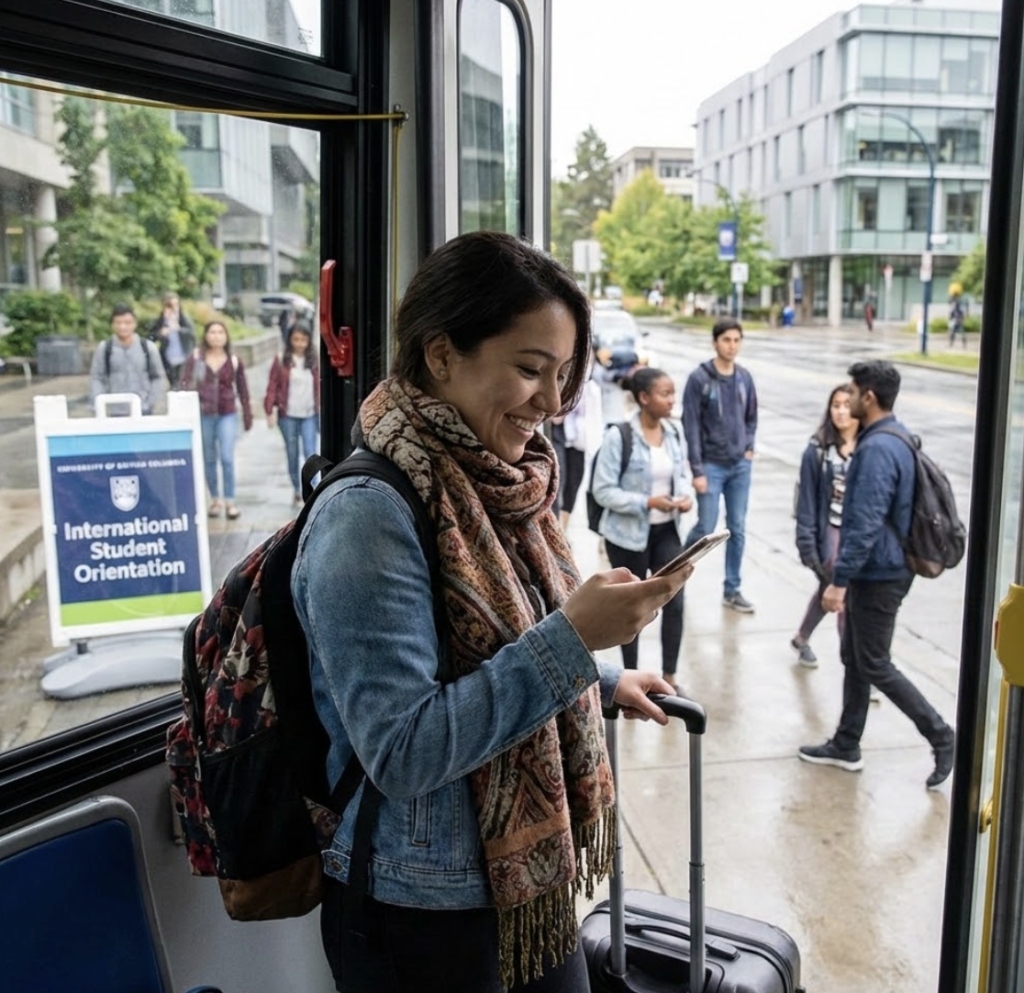
As an international student, studying abroad is an exciting and life changing experience. It not only expands your knowledge but also offers opportunities for personal growth and the chance to build meaningful connections across cultures.
However, international education can also be overwhelming due to cultural differences, language barriers and being far away from family and friends as a result, some students isolate themselves but this is where friendships make a real difference as friends can help you to fight homesickness, provide emotional support and distract you through activities and joining students clubs which makes your college experience more fulfilling. A 2021 survey conducted by QS Quacquarelli Symonds found that 73% of international students who formed friendships with people outside their cultural background reported a higher level of satisfaction with their study abroad experience. But, developing friendships and connections can be a bit challenging due to cultural and linguistic differences.They can create unique challenges in communication or make it harder to relate at first. Let’s be honest that no one teaches you how to make meaningful friendships.Colleges might keep orientations and meetings but they don’t tell you how to connect with people on a deeper level.
In this guide we will explore practical tips to build genuine friendships, overcome awkwardness and how you can make the most of your life abroad.
5 practical tips to build genuine friendships (without the awkwardness)
Building meaningful friendships is a gradual process, but it’s also one of the most rewarding aspects of studying abroad. as it can improve your overall experience in ways that academic achievements alone can’t. But, how can you start? For this, Let’s explore some practical tips that will help you connect with others, feel more at ease and ultimately make your international education experience even more memorable.
Visit the library:
If you really enjoy reading books and novels then this is one of the most effective ways to connect with students who have similar interests. Although the library is not a place to socialise loudly or hang out casually instead it offers a quiet, low pressure environment to naturally interact with others so it’s perfect for those who feel shy to talk or start conversation in crowded places like the ground or cafeteria. Also, libraries allow for group study or discussions so students can study together, read books and discuss with each other. This creates an environment where deeper conversations can naturally develop which can help students to bond over shared academic interests and encourage meaningful interactions.
You can start the conversation by recommending a book, ask about preparations for upcoming exams and if you notice someone is doing the same work or project so you can casually ask “Hey, are you taking accounts from Sir Adam too? and then tell about the thoughts on the course and tell some interesting tips. This is how you can break the ice and build a connection without awkwardness as shared interests bridge across cultural and linguistic barriers and help you develop great connections.
Volunteer in activities:
Volunteering is another good way to develop friendships, even forming groups as by working in teams and solving problems together increases the chances of making meaningful friendships. For example, when I was in college, I volunteered at a sports event for 4 days, through which I made some really nice friends and we formed a group. After the sports event, we used to go for coffee together, which strengthened our bond even more and even after college ended, we still meet occasionally. So if you take the opportunity for volunteering, there are chances that you can make some really good friends and then you can participate in activities together or volunteer for upcoming events which can further improve your bond as a result, you will be able to fight homesickness and reduce loneliness. According to Galaxy digital volunteers experience an 8.5% improvement in mental health and a 4.3% decrease in depression.
Be friendly:
Just as it matters how the other person replies to you, whether they are rude or kind, it equally matters how you respond when someone reaches out to you. So, try to be helpful if someone asks for your help, make an effort to smile and if someone is saying hi, at least nod your head in acknowledgment as everyone wants to be friends with someone who is a kind and caring person so it’s a great way to make connection and show you are approachable.
There are some students who overthink, ask themselves “Why should I reach first?” or “What if they feel like I am intruding on them?” So this sense of ego and awkwardness holds them back and they don’t reach out first as a result, they miss out on potential connections. So, the best way to overcome this awkwardness is to use a simple and non intrusive approach. For example, instead of complimenting you can ask “I am having trouble with this assignment, Can you help me?” as people generally enjoy sharing their knowledge and from there, you can ask open-ended questions and start to dig into deeper, more meaningful topics. This will help break the ice and keep conversation going. And if you are shy to start the conversation, you can practice the conversation starters at home like “What do you like to do for fun?” as by approaching your new surroundings with a friendly and open mindset, you will not only feel confident but also create meaningful connections that will last long after your education is complete.
Use social media:
In today’s digital world, social media is the most powerful tool as it helps to build meaningful connections. Particularly if you are an introvert and find it hard to approach new people face to face you can take advantage of social media. For example, you can follow on Instagram, like their stories and if you like someone who exactly matches your vibes then you can start the conversation by sending a simple message on their stories like “Hi, I saw you in college, which subjects you have taken?” and introduce yourself as this can open the door for further conversation. Later on, you can suggest they meet but make sure to keep the connection alive by sending messages or by hangouts.
Moreover, using social media also allows you to stay connected with the classmates or find the people with similar interest so join social media groups on Whatsapp and facebook as colleges often have separate groups exclusively for students where they talk, introduce themselves and share their interest which can help you to know about upcoming events, which societies are the most interesting and deeper insights about college life. According to oncampusnation.com approximately 98% of college students are active on social media platforms daily.
Find resources to meet people:
Making friends doesn’t always happen by luck but it often takes real effort. There are many other students like you who are also hoping to build meaningful friendships without any awkwardness but all it takes is one small step to connect with someone who feels the same way. For this, you can use a digital platform specially made for students like Afious which is a mobile app designed to help students connect with others who share similar interests. Whether you’re into gaming, art, music, or just looking for someone to grab coffee with, Afious can help you find your people. The more effort you put into showing up and engaging (both online and in-person), the more meaningful connections you’ll build.
How to break cultural barriers to form deeper connections
Culture barriers can make communication and genuine friendship difficult as international students may feel awkward to make the first move due to fear of not being understood, misunderstandings and confusion. Overcoming these barriers is not just important to avoid awkwardness but to strengthen the friendship and to create a better environment. However, these obstacles can be overcome with the right mindset and few practical strategies.
So let’s explore some helpful tips to break cultural barriers and make meaningful friendships;
Educate yourself:
It’s important to learn about other cultures, traditions and practices as when you understand them then it helps you to avoid unintentional disrespect, clears your mind of assumptions and builds genuine friendship. Also, by talking to students with different cultures. you can learn directly about their experiences and practices. For example, if someone doesn’t celebrate certain events or holidays so rather than making false assumptions or pressuring them to join, you can ask open ended questions like “Why don’t you celebrate?” or to learn about their culture you can ask “What’s something special you celebrate?” as it shows the respect for their culture and genuine intentions to learn about them which helps to build meaningful friendship.
Join Culture Celebration:
Celebrating cultural events of your friends like Christmas, Halloween or national holiday events is a great way to break the ice as when you join them in such celebrations, it shows respect and value for their culture which builds trust and understanding. It also opens the door for deeper conversation, laughter and more hangouts which makes the friendship meaningful and long lasting. According to the study by thestudyjournal 80% of students who connect with locals feel less isolated, and students who explore and learn about their new home feel 45% more connected.
Research your host country:
Understanding about your host country can help you to prevent any awkward situations. For example, study sessions and hangouts are common in the US and UK so refusing repeatedly might be seen as rudeness or disinterest so understanding about your host country’s norms, you can avoid missteps and increase your chances of strong friendship.
You can research about your host country through guidebooks, news reports, college blogs and if you think reading too much is boring so you can watch videos on Youtube and even you can follow local student influencers as this can give you insights about college and you can learn more about the culture. As a result, you will not only overcome cultural barriers but it will also help you better navigate social situations, respond appropriately and build respect for others.
Be open to new experiences:
Each culture has its own way of doing things. Be open to changing your approach when needed and be open to new experiences whether it’s trying traditional food, joining in local tradition events or adapting to different social norms. This not only helps to connect with others but also helps form lasting relationships that bridge cultural gaps and make collaboration easier. Additionally, you can ask questions and learn about their culture carefully as everyone has something unique to offer, so be open-minded and show genuine curiosity as this not only makes others feel valued but also encourages deeper conversation and meaningful connection which can last long after your international education is over.
Be patient and forgiving:
Everyone faces misunderstandings, awkward moments and ups and downs in their life but that doesn’t mean you should let it discourage you. Instead, be patient with others and be forgiving if someone unintentionally offends you. Similarly, if you had any awkward moment or you made any mistake, learn from it. For example, If someone forgets your name or mispronounces it, instead of getting rude, gently correct them and give them time to learn. Or, if a friend doesn’t understand your cultural boundaries right away, use it as a chance to explain as this can actually lead to deeper understanding and a stronger bond. According to researchgate.net 531 college students from Kerala revealed that forgiveness significantly predicted social connectedness, accounting for 41.2% of the variance in social connectedness scores.
Conclusion:
Making genuine friendships in a host country can be challenging as it takes time and effort especially cultural barriers can make communication and relationships difficult. That’s why learning how to overcome cultural barriers and awkwardness is important for success and to build meaningful friendships. Keep learning about the host country and other cultures to understand them better, which will help you to respect cultural differences. By recognizing differences, learning about them, communicating openly, building relationships, using social media, and being patient, you can create an inclusive environment and gradually overcome these barriers.
When international students arrive in a new country, they often face a mix of excitement and uncertainty. It’s normal to experience culture shock like homesickness, feeling confused and discomfort with unfamiliar customs. But you are not alone as it happens with all the International students and building genuine friendships takes time. What’s important is not to let negative thoughts and assumptions about your host country and their people affect academic performance, social interactions, and mental health. Remember, studying abroad is an incredible opportunity that offers you rich cultural experiences, academic growth and opportunity to work that can shape your future.
Ready to turn your study abroad journey into a meaningful experience? Start small like say hi to someone new this week or start a conversation from your class.
Author Bio - Malaika Ashfaq
Malaika Ashfaq is a Content Marketer at Afious. She writes practical content to support students’ campus experiences. Read more at https://loop.afious.com/